The Lab, the map, and Gravel9 Radio
Research that helps people investigate a place—and helps radio tell them what is happening there.
Current direction and development roadmapRead entry
Journal
Research that helps people investigate a place—and helps radio tell them what is happening there.
How research on streets, conversation, and everyday learning became the starting point for Digital Sidewalk Lab.
Projects from 2021–2023 show the data and communication work that preceded the Digital Sidewalk framework.
A study of Buildspace connects everyday participation with indirect learning across online and physical settings.
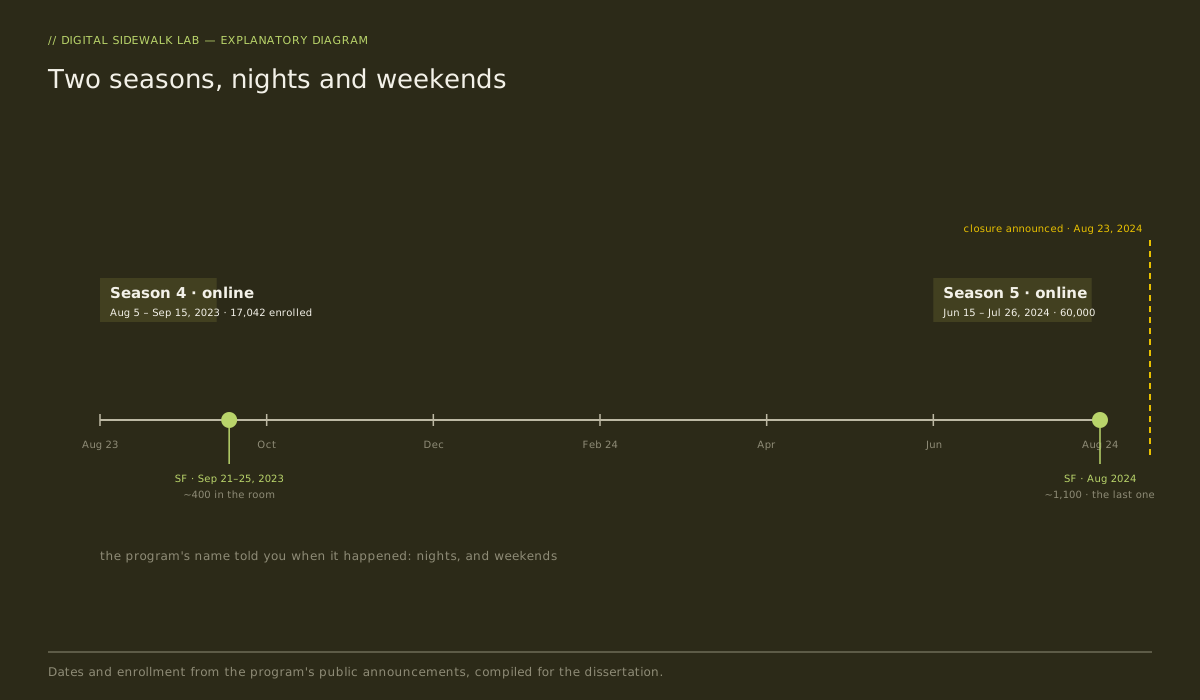
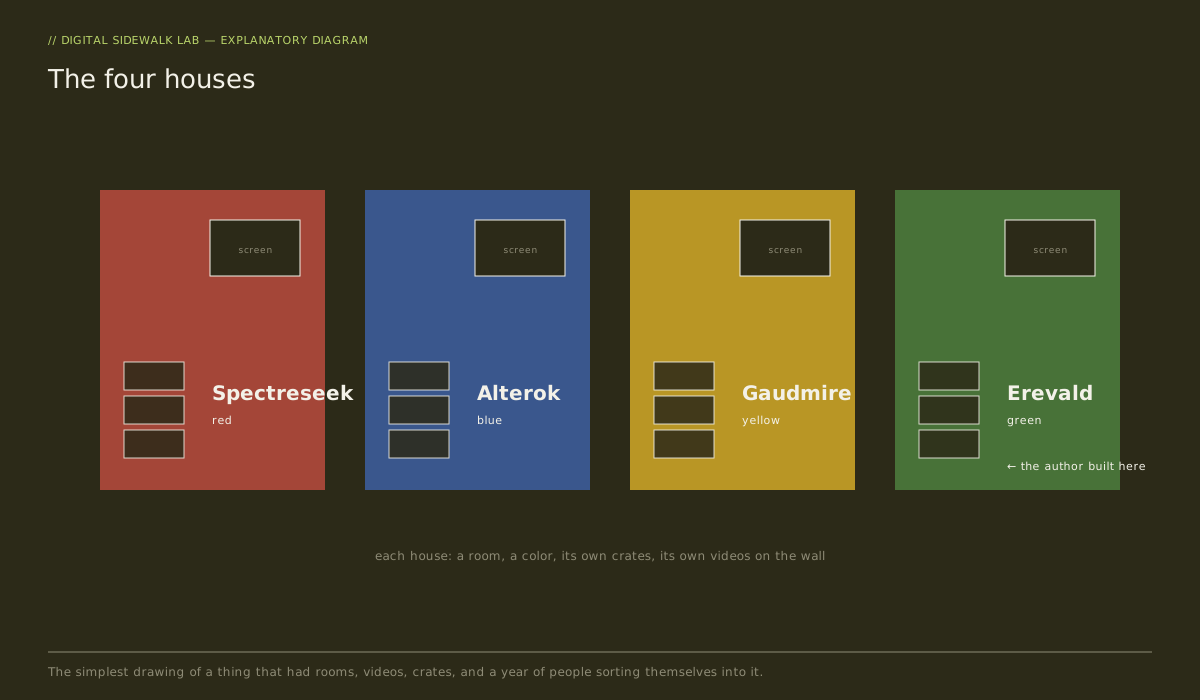
The structure of Buildspace gave participants a public deadline and several ways to learn from one another.
Rooms, informal routes, and public project displays helped make participation visible in the Buildspace fieldwork.
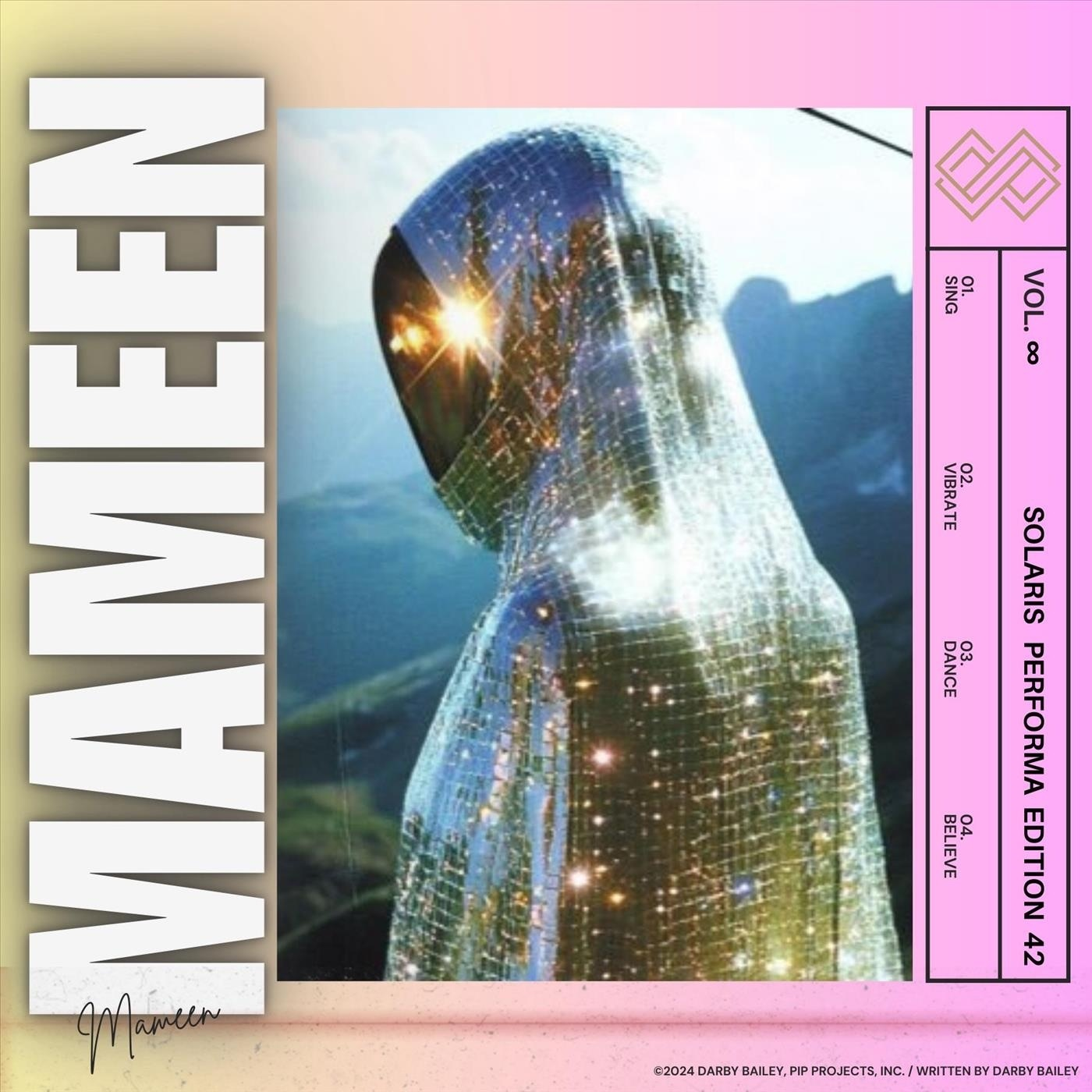
Making and releasing a Mameen album while participating in Buildspace.
The closure changed the setting of the study and raised a question about what participants carried into their next projects.
The dissertation defense clarified how I should state the contribution and explain what can be observed.
A guide to the research unit, the published framework, and the names that appear in older project records.
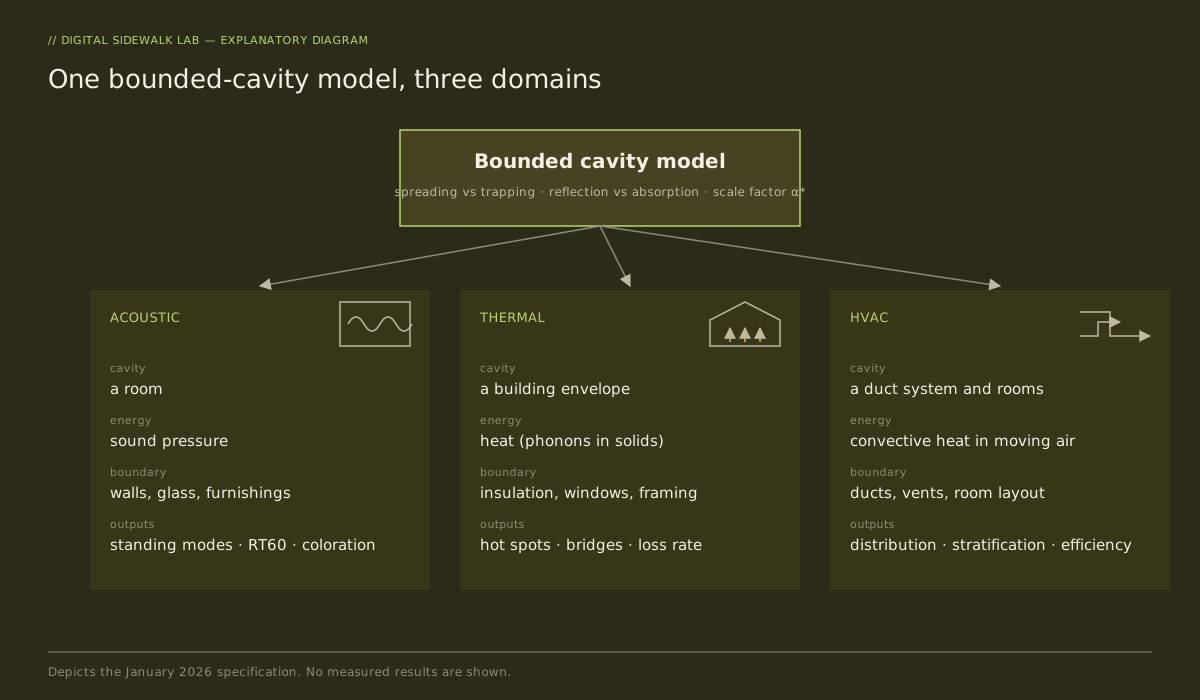
A January 2026 design explored whether a shared description of boundaries could support acoustic, thermal, and airflow tools.
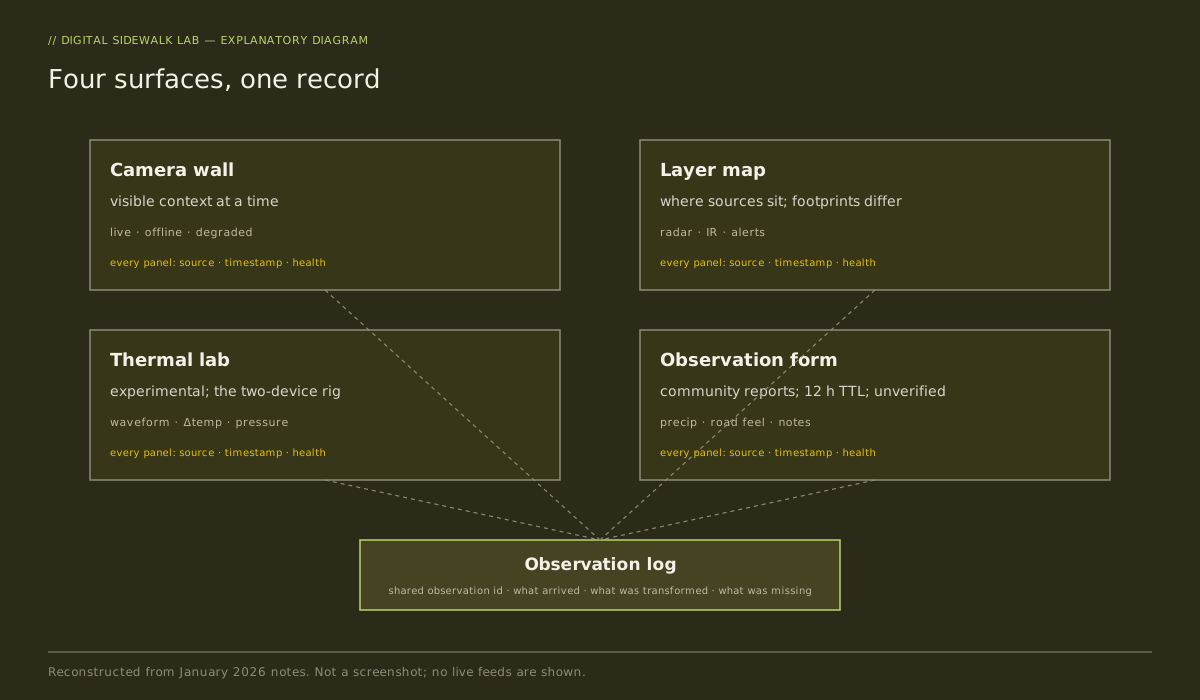
The StormNet prototype brought maps, camera views, sensor readings, and human observations into one research interface.
A parameter worth investigating, a proposed connection to field data, and an exploratory detector that was set aside.
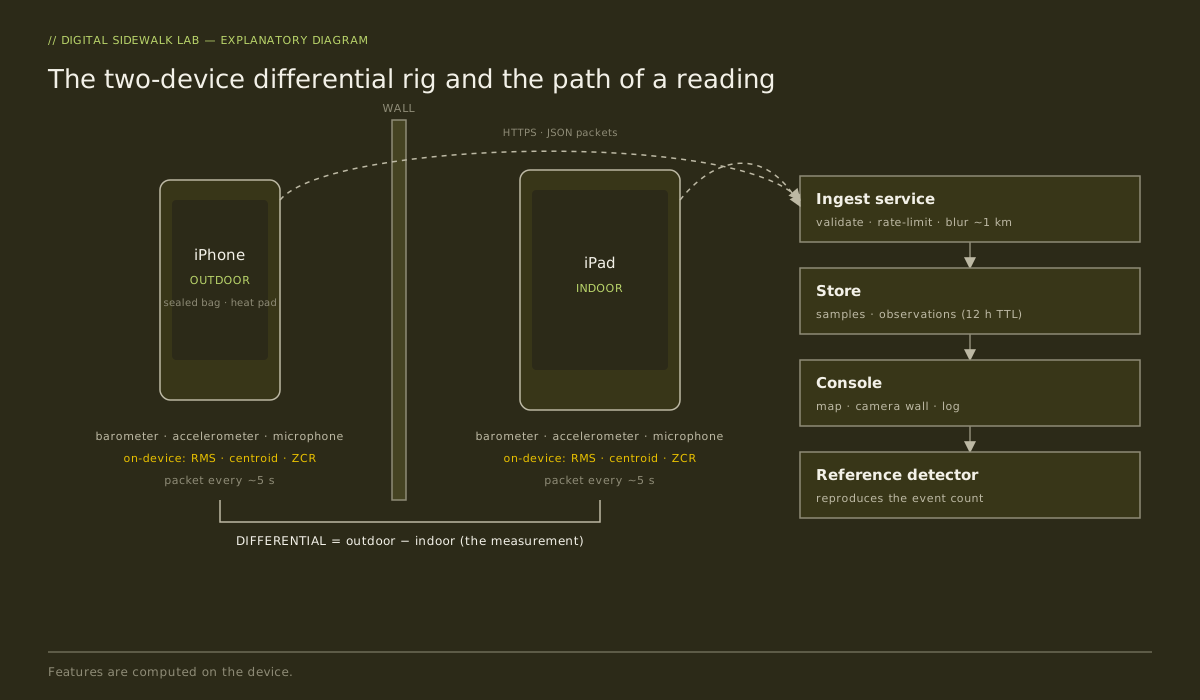
Two consumer devices recorded pressure and audio features during a January 2026 storm. Here is the setup, the reported analysis, and the next test.
The field conditions behind the Clemson dataset: a phone outside, a tablet inside, and a change of placement during the night.
The release standard: a person outside the Lab should be able to install the tool, inspect a sample, and repeat a documented analysis.
An experimental planning tool compares candidate measurements by the explanations they could distinguish.
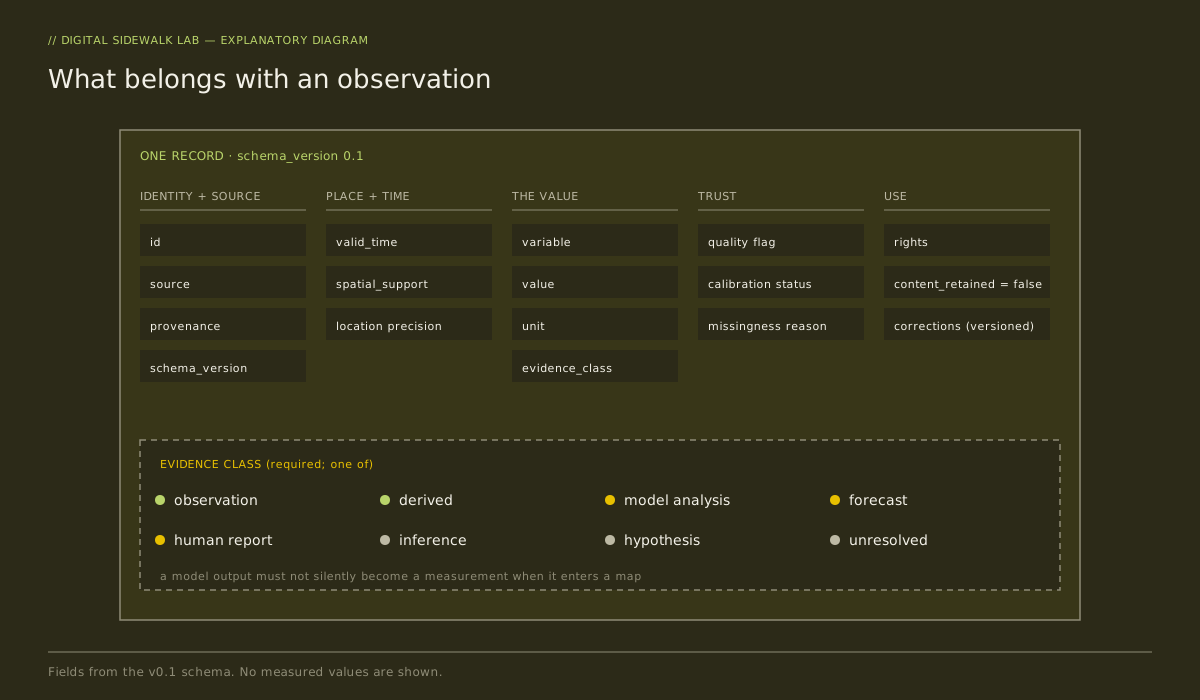
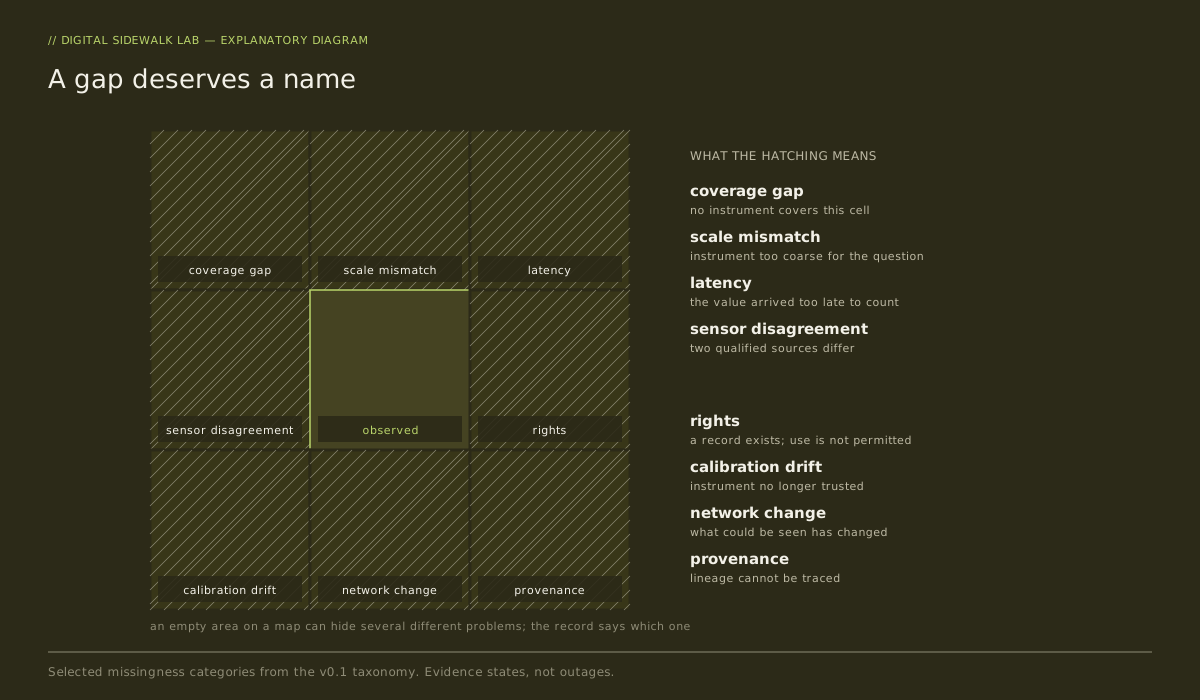
The observation schema records where information came from, what it represents, and why it may be unavailable.
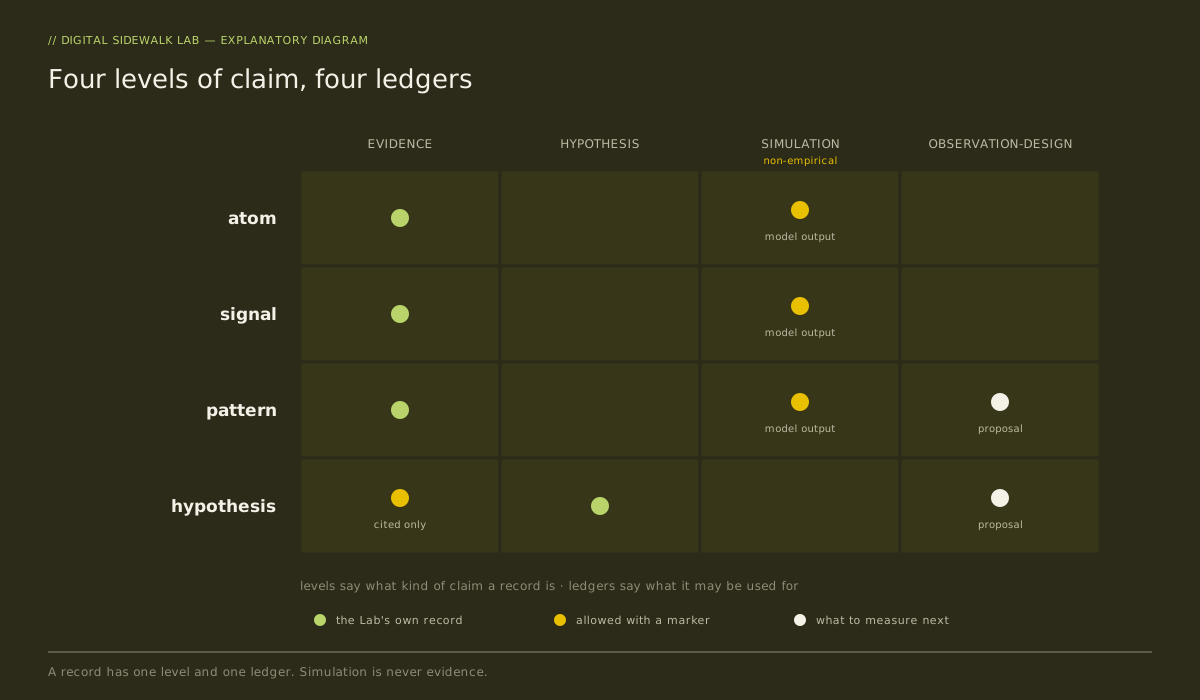
Four record levels help the Lab track how a measurement becomes a signal, a pattern, or a hypothesis.
The next research question is which observations from Buildspace remain useful across different settings.
The August prototype separates original evidence from later interpretation and records which components were implemented.
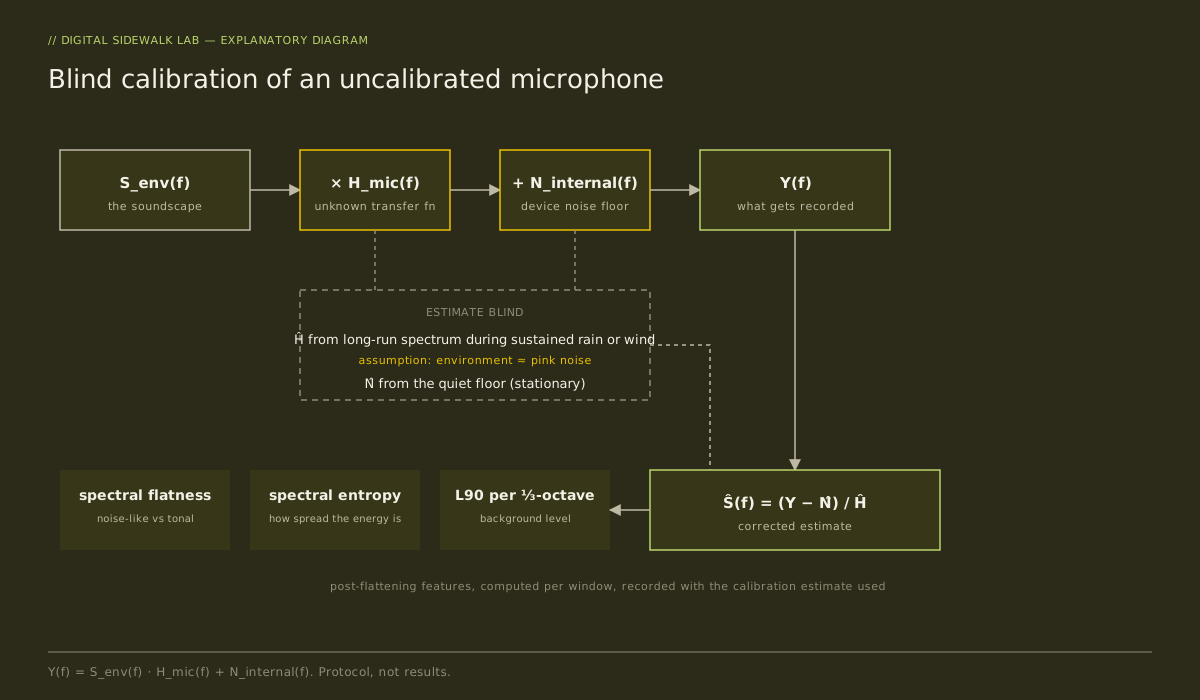
A proposed calibration protocol asks how much device variation can be estimated without a reference microphone at every node.
Dates, source records, AI-assisted work, and the distinction between a project account and a reproducible result.
Research that helps people investigate a place—and helps radio tell them what is happening there.
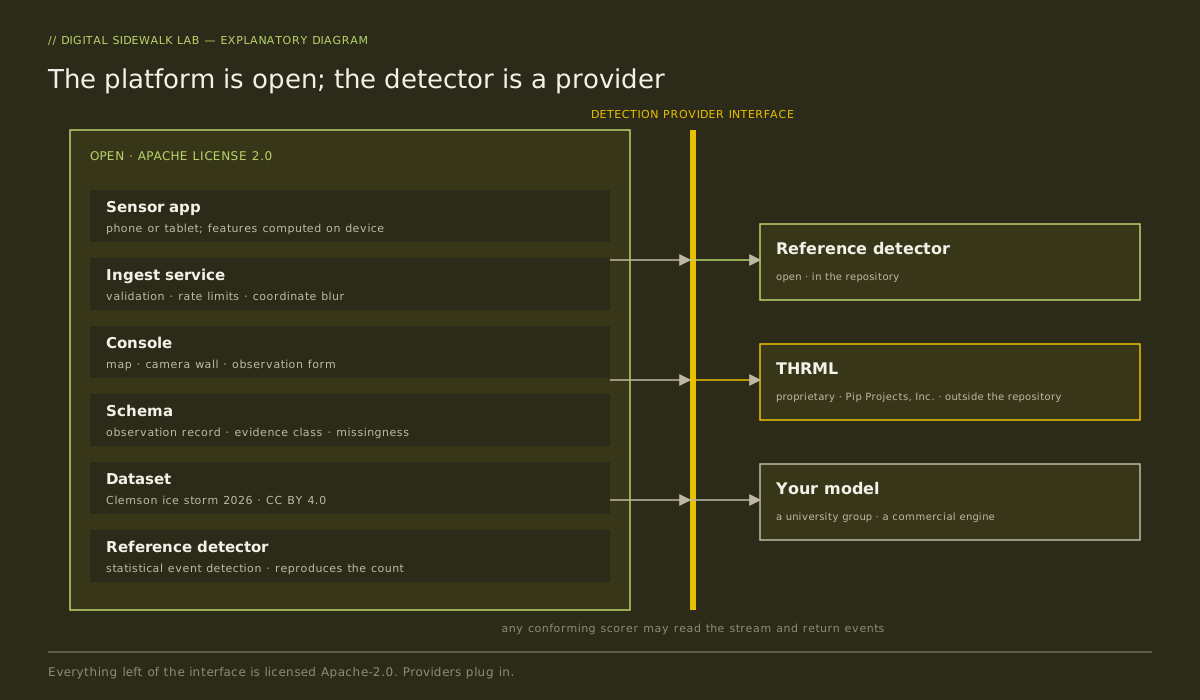
The planned release separates the collection and observation tools from optional detection engines.